Tax Preparation for Clergy,
by a Member of the Clergy.
Expert guidance and tax prepartion designed for the tax issues that only ministers face.
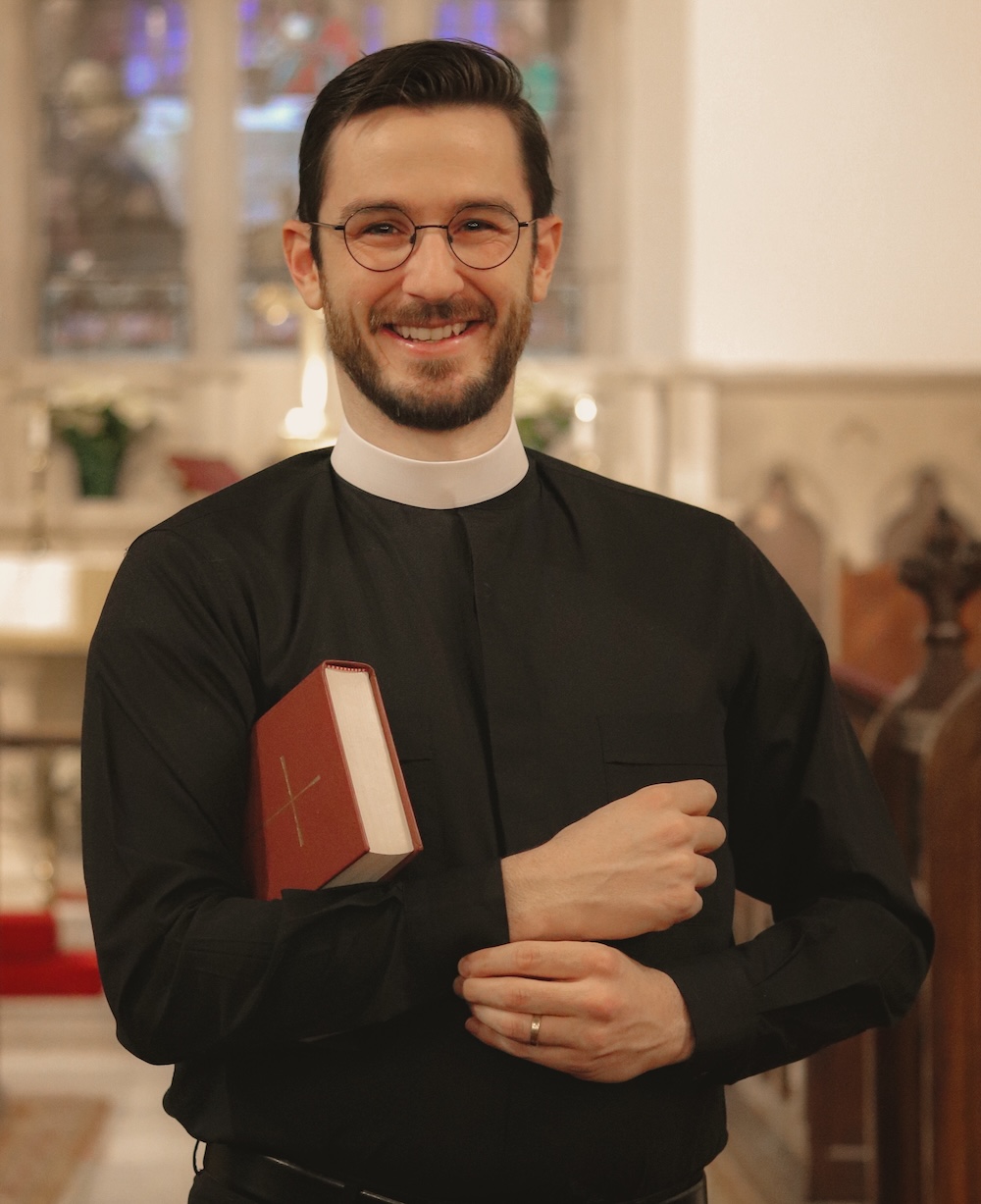
Why go with the Tax Priest?
Clergy taxation is genuinely complicated. You're treated as an employee for income tax but self-employed for Social Security. Your housing allowance is tax-free—but only if it's designated correctly. And then there's Form 4361, which can exempt you from SE tax entirely... if you qualify.
I've been on both sides of this. As an ordained minister, I understand the vocation. As a licensed tax preparer, I understand the code. This combination lets me serve clergy with expertise and empathy that's hard to find elsewhere.
What I Help With
Frequently Asked Questions
Am I an employee or self-employed for tax purposes?
This is one of the most confusing aspects of clergy taxation! The short answer: you're both, depending on what we're talking about.
For income tax purposes, most ministers are employees of their church—meaning your church issues you a W-2. But for Social Security and Medicare purposes, you're treated as self-employed, which means you pay the full 15.3% SE tax instead of splitting FICA with your employer.
This dual status creates unique planning opportunities (and pitfalls). I help clergy navigate both sides correctly.
Can you file Form 4361 for me?
Yes, I can prepare and file Form 4361 (Application for Exemption From Self-Employment Tax for Use by Ministers) on your behalf.
This form allows ordained, licensed, or commissioned ministers to apply for exemption from SE tax based on religious grounds. The application must be filed by the due date of your return (including extensions) for the second year you have net self-employment earnings of $400 or more.
I'll ensure all requirements are met and the form is properly documented. Note: I will also counsel you on whether this exemption is right for you, as it's permanent and affects your future benefits.
How do I handle income from weddings, funerals, and honoraria?
These are considered self-employment income and must be reported on Schedule C. This includes fees you receive directly from families for weddings, funerals, baptisms, and speaking engagements—even if they're given as "gifts."
The good news: you can deduct related expenses (mileage, vestments, preparation materials) against this income. I help ensure you're tracking and deducting everything you're entitled to.
What is the Housing Allowance and how do I calculate it?
The clergy housing allowance (also called parsonage allowance) is a portion of your salary designated by your church to cover housing expenses. Under IRC Section 107, this amount is excluded from federal income tax, though it remains subject to self-employment tax.
To qualify, you must be ordained, licensed, or commissioned, and performing ministerial duties. The exclusion covers rent or mortgage payments, utilities, furnishings, repairs, and insurance.
Your church must designate this amount in advance—ideally before the tax year begins—and you can only exclude the lesser of: the designated amount, actual housing expenses, or fair rental value of your home (furnished, with utilities).
Do I need to pay Social Security tax?
Ministers are treated as self-employed for Social Security and Medicare purposes, meaning you pay the full 15.3% self-employment tax rather than splitting FICA with an employer.
However, if you have a sincere religious objection to public insurance (Social Security and Medicare), you may be eligible to opt out permanently by filing Form 4361. This is an irrevocable decision with serious long-term implications—you forfeit all Social Security benefits, including disability and survivor benefits.
I can help you understand whether opting out makes sense for your situation and ensure the form is filed correctly.
What exactly can I exclude with the parsonage allowance?
The parsonage allowance can cover a wide range of housing-related expenses: rent or mortgage payments (principal and interest), property taxes, homeowner's or renter's insurance, utilities (electricity, gas, water, trash, phone, internet), furnishings and appliances, repairs and maintenance, and even yard care.
If you live in a church-provided parsonage, you can still claim a housing allowance for expenses like utilities and furnishings. The key is that expenses must be for your primary residence and actually incurred during the tax year.
Do I need to pay quarterly estimated taxes?
Most likely, yes. Because ministers are self-employed for SE tax purposes, and because churches typically don't withhold taxes from clergy salaries, you'll usually need to make quarterly estimated payments to avoid penalties.
I help calculate the right amount for each quarter based on your expected income, housing allowance, and any other deductions. Getting this right prevents both underpayment penalties and the surprise of a large tax bill in April.
Clergy Tax Returns
Flat fee • All schedules included • No hidden costs • discounts available (just ask)
Takes you to our secure intake form on the main site.